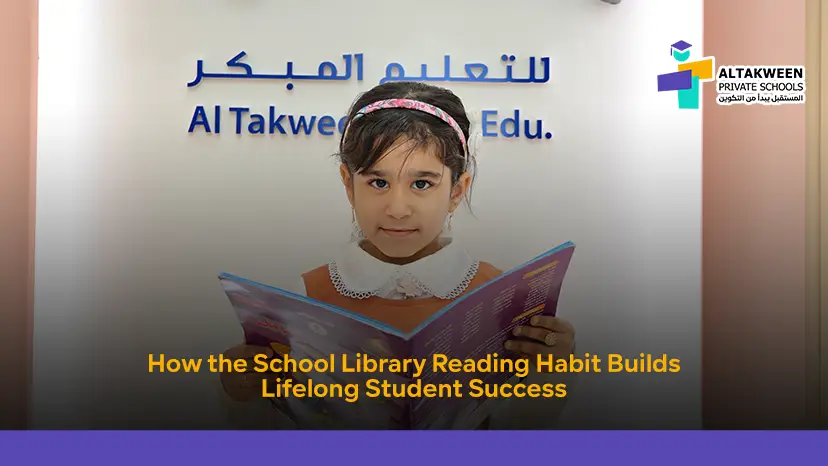
Cultivating a consistent school library reading habit is one of the most powerful investments in a child’s educational journey. Beyond supporting classroom learning, regular engagement with literature sharpens cognitive capabilities, enhances vocabulary, and fosters critical thinking. This article explores how school libraries act as catalysts for literacy, how structured reading programs build academic confidence, and how parents and schools can collaborate to instill a lifelong love of reading in children.
The Role of Early Reading in Cognitive and Language Development
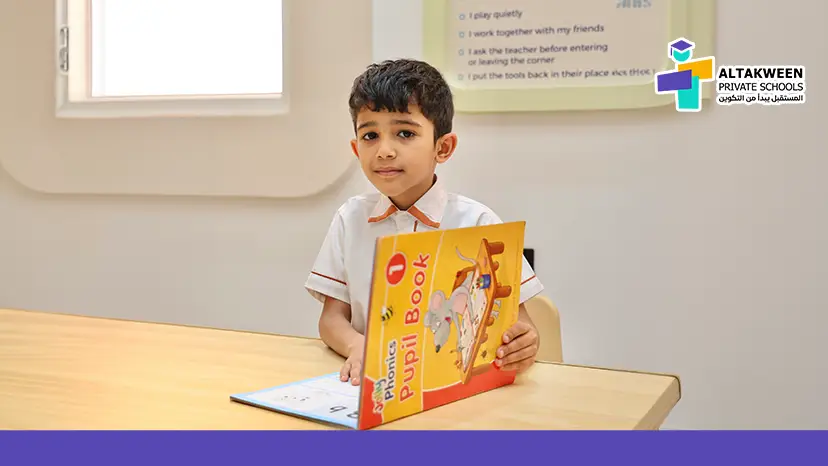
Early exposure to books lays the essential foundation for advanced academic achievement, linguistic fluency, and cognitive maturity. Developing a strong school library reading habit during formative years transforms how children process information and interact with the world:
Expanding Literacy Skills and Vocabulary
Consistent engagement with literature exposes children to rich sentence structures, specialized terminology, and diverse narrative styles that extend far beyond daily conversational language. As children encounter new words in context within a children library setting, they naturally acquire a broader vocabulary, internalize correct grammar patterns, and master reading comprehension skills that serve as the bedrock for all future academic learning.
Enhancing Concentration, Memory, and Analytical Focus
In an era dominated by rapid digital distractions, engaging with long-form print stories trains young minds to sustain focus over extended periods. Following intricate plotlines, tracking character development, and predicting narrative outcomes require active working memory and logical synthesis. This sustained mental discipline directly translates into improved attention spans during classroom instruction and complex problem-solving tasks.
Boosting Cognitive Flexibility, Empathy, and Imagination
Reading stimulates neural pathways responsible for abstract reasoning, spatial visualization, and creative synthesis. When children immerse themselves in diverse literary worlds, they construct mental images of unfamiliar environments and historical eras, strengthening their imaginative capabilities. Furthermore, experiencing stories from different character perspectives fosters emotional intelligence and social empathy, building a well-rounded cognitive and interpersonal skill set.
Modern School Libraries as Interactive Learning Hubs
Today’s children library environments have evolved far beyond silent study halls into dynamic centers for discovery and collaboration:
- Curated and Diverse Collections: Modern libraries house age-appropriate fiction, non-fiction, graphic novels, and reference materials tailored to varying reading levels and cultural backgrounds.
- Integration of Digital and Physical Resources: Interactive media, audiobooks, and digital archives complement physical books, offering multi-sensory avenues for learning.
- Collaborative Learning Spaces: Dedicated reading nooks, storytelling corners, and group discussion zones transform reading from a solitary task into an engaging social experience.
How Al Takween Fosters a Continuous Reading Culture
At Al Takween Schools, building a strong school library reading habit is seamlessly integrated into the daily curriculum through structured reading encouragement initiatives:
- Guided Reading and Library Sessions: Scheduled library hours ensure every student spends dedicated time exploring literature under the guidance of certified librarians.
- Literacy Challenges and Reading Clubs: Annual reading marathons, book review competitions, and student-led book clubs motivate learners through friendly achievement goals.
- Cross-Curricular Reading Integration: Teachers connect library books directly to science, history, and social studies topics, helping students see literature as a gateway to broader knowledge.

school library reading habit
How to Choose Age-Appropriate Books for Your Child
Selecting books that match a child’s developmental stage and personal interests is crucial for maintaining reading motivation and ensuring that a school library reading habit remains engaging rather than overwhelming:
Early Years (Ages 3–6): Building Phonemic Awareness & Visual Connections
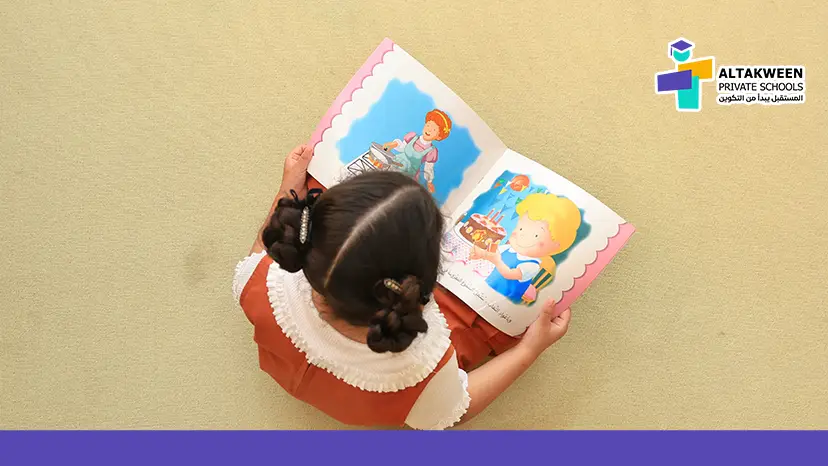
During early childhood, reading should be an interactive, multi-sensory experience. Focus on vibrant picture books, rhythmic rhyming stories, and simple repetitive texts that help young learners associate spoken sounds with printed letters. Interactive touch-and-feel books, board books, and short fable collections cultivate phonemic awareness, spark curiosity, and build foundational literacy skills before formal primary schooling begins.
Primary Grades (Ages 7–10): Transitioning to Independent Reading & Broad Horizons
As children master basic decoding and move toward independent reading, their literary choices should balance gentle challenge with high engagement. Introduce illustrated chapter books, engaging adventure series, and accessible non-fiction topics such as animal biology, space exploration, or regional history. Allowing children to explore diverse genres in a children library environment fosters autonomy, expands their vocabulary, and reinforces positive reading encouragement habits.
Middle & High School (Ages 11+): Challenging Critical Thinking & Analytical Depth
Older students require literature that addresses complex themes, refines analytical reasoning, and encourages independent thought. Support their academic and personal growth by introducing young adult fiction, historical biographies, classical literature, and investigative science journals. Encouraging teens to critically evaluate narrative perspectives, debate character motives, and connect literary themes to real-world issues prepares them for advanced high school curricula and lifelong intellectual curiosity.
Fun Reading Activities to Practice Together at Home
Reinforcing literacy skills at home creates a seamless bridge between school learning and personal recreation:
- Shared Family Reading Time: Establish a daily 15-to-20-minute quiet reading period where parents and children read together or independently side-by-side.
- Interactive Storytelling & Dramatization: Have children read dialogue aloud using expressive voices or act out scenes from their favorite library books.
- Home-to-Library Field Trips: Make regular visits to community or school libraries a rewarding family weekend ritual.
school library reading habit
Frequently Asked Questions about school library reading habit
1. How does school library access improve student literacy?
Regular access to a children’s library provides students with structured choices, allowing them to explore books at their individual reading level. This continuous exposure strengthens comprehension, expands vocabulary, and reinforces reading fluency over time.
2. How can I encourage a child who is dismayed by reading?
Start by allowing them to choose topics they are genuinely passionate about, such as comics, sports, or graphic novels. Short, daily reading sessions combined with positive reading encouragement rather than pressure can gradually build their confidence.
3. What types of books should primary school students read?
Primary students benefit from a balanced blend of illustrated chapter books, age-appropriate non-fiction, folk tales, and series fiction that keep them curious and eager to read the next installment.
4. Does Al Takween combine digital and physical library resources?
Yes, Al Takween Schools integrates physical book collections with verified digital platforms, giving students access to e-books, research databases, and interactive reading tools both on campus and at home.
5. How do reading clubs improve language fluency?
Reading clubs encourage students to discuss plot developments, express opinions, and analyze character motivations aloud. This peer interaction boosts verbal expression, comprehension, and confidence in using new vocabulary.