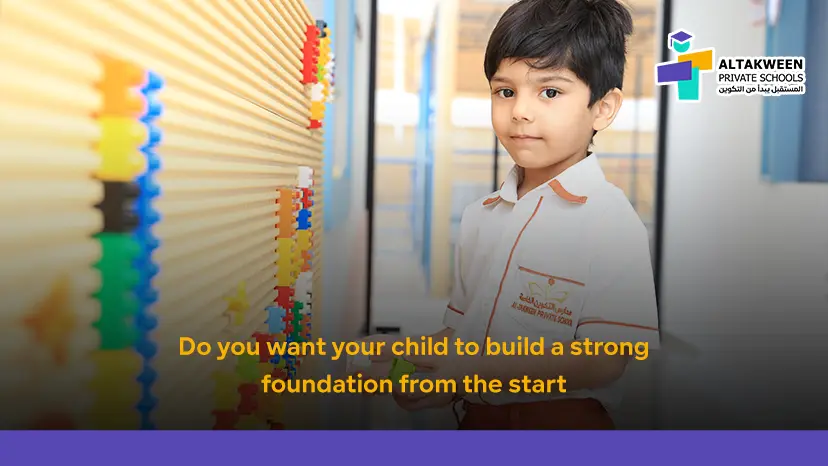
Early childhood education importance cannot be overstated. From birth to age 8, 90% of brain development occurs, building cognitive, social, and emotional skills, fostering curiosity and independence. Quality early learning programs improve academic performance, school readiness, and long-term prospects while reducing social inequalities, laying a strong foundation for lifelong success.
What Is Early Childhood Education?
Understanding the early childhood education importance helps parents and educators provide children with nurturing environments. Early childhood education refers to structured learning experiences designed for children from birth to around eight years old. It encompasses preschool education, kindergarten, and other early years education programs that focus on holistic development. These programs aim to nurture curiosity, critical thinking, and social abilities in an age-appropriate and supportive environment.
Cognitive Benefits of Early Childhood Education
Early childhood education importance is evident in cognitive development, as children gain critical thinking and problem-solving skills early on. The importance of kindergarten is closely tied to these early cognitive gains, as it builds on the foundation established during preschool and prepares children for formal learning. Key benefits include:
- Enhances problem-solving skills: Early learning programs encourage children to think critically and find solutions independently.
- Boosts language abilities: Exposure to vocabulary, reading, and conversation supports communication skills.
- Improves memory retention: Engaging activities help strengthen memory and information recall.
- Supports brain growth: Child development education during the early years stimulates neural development.
- Prepares for academic success: Lays the foundation for learning in kindergarten and beyond, making early
These key points clearly explain Why Early Childhood Education Matters.
Social and Emotional Development Through Early Education
The importance of early childhood education is also clear in social and emotional growth:
- Builds emotional intelligence: Children learn to recognize and manage their own emotions.
- Enhances social skills: Interaction with peers teaches sharing, cooperation, and teamwork.
- Teaches conflict resolution: Early education helps children navigate disagreements constructively.
- Fosters empathy and understanding: Engaging with others develops compassion and perspective-taking.
- Boosts confidence and resilience: Children gain self-assurance and the ability to cope with challenges.

early childhood education importance

Early Education as a Foundation for Academic Success
The early childhood education importance is critical for future academic achievement:
- Improves literacy skills: Early exposure to reading, storytelling, and language activities enhances vocabulary, comprehension, and communication.
- Strengthens numeracy abilities: Activities like counting, sorting, and basic math concepts build a strong foundation in numeracy.
- Enhances attention and focus: Structured early learning programs help children develop concentration and the ability to follow instructions.
- Facilitates smooth school transition: Preschool education prepares children for the routines and expectations of elementary school.
- Encourages a lifelong love for learning: Positive early experiences make children curious, motivated, and enthusiastic about learning.
- Supports higher educational attainment: Children with strong early education foundations tend to achieve better academic outcomes throughout their schooling.
Fostering Creativity and Curiosity in Early Childhood
Highlighting the importance of early childhood education, these programs nurture imagination and exploration:
Encourages imaginative thinking: Early childhood education provides opportunities for creative expression through drawing, music, storytelling, and role-play.
Stimulates curiosity and exploration: Exploratory play and hands-on activities motivate children to ask questions and discover how the world works.
Enhances problem-solving abilities: Creative tasks challenge children to think differently and develop innovative solutions.
Builds confidence through self-expression: Participating in creative activities helps children express ideas freely and develop self-assurance.
Supports cognitive growth: Child development education that emphasizes creativity strengthens critical thinking and flexible learning skills.
The Impact of Early Childhood Education on Society and Economy
- Promotes long-term academic success: Children who attend quality early learning programs are more likely to perform well throughout their education.
- Reduces dropout rates: A strong early foundation increases engagement and persistence in school.
- Increases future productivity: Well-educated individuals contribute more effectively to the workforce and economic growth.
- Supports social equality: Early years education helps bridge achievement gaps and reduce social inequalities.
- Strengthens families and communities: When children thrive academically and socially, families and society benefit as a whole.
Best Practices in Early Childhood Education
Effective programs emphasize the early childhood education importance by combining structured learning with play:
- Nurture curiosity, communication skills, and independence.
- Use individualized strategies to meet each child’s unique developmental needs.
- Balance academics with social-emotional learning and creative activities.
How to Choose the Right Early Childhood Program for Your Child
Understanding the importance of early childhood education helps parents select the best program:
- Evaluate curriculum quality: Ensure the program offers a well-structured curriculum that balances academics, play, and social-emotional learning.
- Check teacher qualifications: Experienced and trained educators are essential for providing effective early childhood education.
- Consider class size: Smaller classes allow for more individualized attention and support for each child’s development.
- Assess the learning environment: A safe, stimulating, and nurturing environment encourages curiosity, exploration, and engagement.
- Look for integrated learning approaches: Programs that combine preschool education benefits, cognitive development, and social-emotional growth provide a balanced foundation.
- Observe classroom interactions: Visiting the classroom helps parents understand teaching methods, student engagement, and the overall atmosphere.
- Understand the program’s philosophy: Ensure the program aligns with your child’s needs and your educational values for a successful start.
AlTakween Schools and Their Focus on Early Childhood Education
- AlTakween Schools emphasize providing a comprehensive learning environment that supports early childhood development from preschool through the early elementary years.
- These schools aim to enhance cognitive, social, and emotional skills through integrated programs that combine academic learning, interactive activities, and creative play.
- Al Takween Schools place great importance on fostering curiosity, creativity, and problem-solving abilities, helping children build a strong foundation for their academic and personal future.
- With their specialized programs, these schools serve as a clear example of the importance of early childhood education and its impact on holistic child development.
Invest in Your Child’s Future Today!
Discover the benefits of quality early childhood education and give your child the best start in life. Explore Al Takween Schools’ programs designed to nurture curiosity, creativity, and lifelong learning. Enroll now and build a strong foundation for your child’s success!
Frequently Asked Questions About Early Childhood Education
1. Why is early childhood education essential?
Early childhood education is essential because it shapes a child’s cognitive, social, and emotional development during the most critical years of brain growth. It lays the foundation for academic success, social skills, and lifelong learning habits.
2. How does early learning impact long-term development?
Early learning programs enhance problem-solving, communication, creativity, and emotional intelligence. Children who receive quality early education are more likely to succeed academically, socially, and professionally in the long term.
3. What should parents consider when choosing early education programs?
Parents should evaluate curriculum quality, teacher qualifications, class size, learning environment, and how well the program integrates cognitive, social-emotional, and creative development. Observing the classroom and understanding the program’s philosophy are also crucial.
4. How do teachers support learning in early childhood?
Teachers guide children through structured and play-based activities, encourage exploration, provide feedback, and create a safe and stimulating environment. They foster curiosity, problem-solving, and social skills while adapting lessons to each child’s needs.
5. Which skills do children develop in early childhood programs?
Children develop a wide range of skills, including literacy, numeracy, critical thinking, creativity, social interaction, emotional regulation, communication, and resilience—forming a strong foundation for future academic and personal success.